British royal visits to the United States aren’t just ceremonial—they’re visual diplomacy. As King Charles III embarks on a state visit, photographs from past trips reveal how the monarchy has shaped transatlantic relations through symbolism, spectacle, and carefully choreographed moments. These images do more than document history; they frame narratives of alliance, resilience, and evolving royal relevance.
From wartime solidarity to Cold War gestures and modern state banquets, each royal photo captures a diplomatic milestone. As we examine these moments through the lens of history, one truth emerges: the monarchy’s presence in America has always been as much about optics as policy.
The Power of Royal Imagery in U.S.-UK Relations
Photographs of British royals on American soil do more than fill archives—they serve as diplomatic currency. A handshake on the White House lawn, a wave from a motorcade, or a toast at a state dinner becomes a shared cultural artifact, reinforcing the “special relationship” between two nations.
When King Charles III steps onto U.S. soil for his state visit, the world watches. But he follows in footsteps documented by decades of photographic evidence—each frame revealing how the monarchy adapts to shifting political climates while maintaining symbolic continuity.
Consider the visual language of these visits: - Open smiles and relaxed gestures signal warmth and familiarity. - Military parades and formal ceremonies emphasize tradition and respect. - Interactions with everyday Americans humanize the royals.
These aren’t accidental choices. Every pose, outfit, and public appearance is calibrated for both domestic and international audiences. The photos aren’t just records—they’re strategic communications.
George VI: A Wartime Alliance Forged in Public View
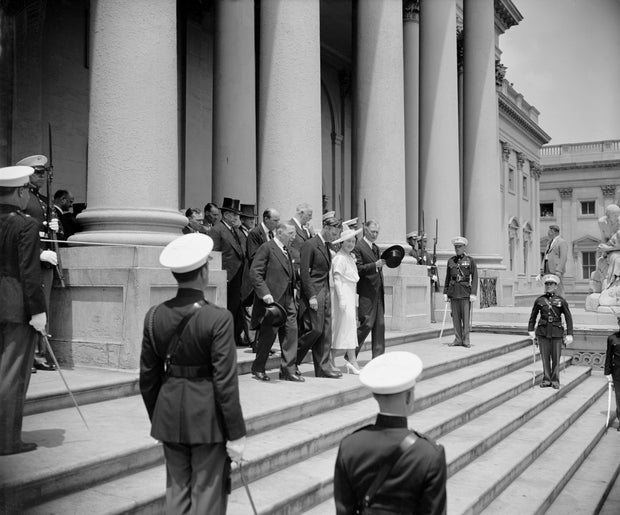
The first reigning British monarch to visit the United States was King George VI in 1939—a moment captured in grainy but powerful black-and-white images. Arriving by train in Niagara Falls and later touring New York and Washington, the king and Queen Elizabeth (the future Queen Mother) were photographed sharing tea with President Franklin D. Roosevelt at his Hyde Park estate.
This was no ordinary goodwill tour. The visit occurred on the brink of World War II. The photos of George VI in casual settings—fishing, dining informally, laughing with Roosevelt—were intended to show Britain not as an imperial power, but as a democratic ally in peril.
One iconic image shows the king wearing a fedora, a hat gifted by Roosevelt. It was a small gesture, but widely published, signaling personal rapport between leaders. At a time when Britain stood alone against Nazi Germany, these visuals helped sway American public opinion toward support—paving the way for Lend-Lease aid.
Why it mattered: The 1939 visit set a precedent—royal visits as tools of soft power. The photos didn’t just document history; they helped shape it.
Queen Elizabeth II: Eight Decades of Diplomatic Presence
No monarch has visited the U.S. more frequently—or been photographed more extensively—than Queen Elizabeth II. Her seven official state visits, spanning from 1957 to 2007, created a visual archive of Anglo-American relations through the Cold War, the fall of the Berlin Wall, and the War on Terror.
1957: A Young Queen on the World Stage At just 31, Elizabeth addressed a joint session of Congress—only the third woman ever to do so. Photographs from that day show her in a pale pink dress, speaking with quiet authority. The image of her waving from the steps of the Capitol became instantly iconic, projecting youthful confidence and stability.
:max_bytes(150000):strip_icc():focal(728x275:730x277)/princess-catherine-prince-william-donald-trump-king-charles-iii-trump-state-visit-uk-windsor-091725-8672599a27214b6f8ffdbb07fd7596e4.jpg)
1976: Bicentennial Bonds During America’s 200th birthday, Elizabeth visited Philadelphia, Boston, and New York. One memorable photo shows her riding in an open carriage through Philadelphia, smiling as crowds wave tiny Union Jacks and Stars and Stripes side by side. The symbolism was unmistakable: a shared heritage celebrated across centuries.
2007: A Final Formal Visit At 81, the Queen returned to mark 400 years since the founding of Jamestown. The images from this trip were more subdued—less pageantry, more reflection. At a dinner in her honor, President George W. Bush joked, “History is full of ironies,” referencing past conflicts between Britain and America. The photo of them both laughing humanized centuries of complex history.
Each visit reinforced a consistent theme: continuity. As presidents changed and global crises unfolded, the Queen remained a constant—a visual anchor in the storm.
Prince Charles Before the Crown: Building Bridges
Long before becoming king, Charles made multiple trips to the U.S. as Prince of Wales. His visits were less about statecraft and more about advocacy, particularly around environmental and architectural issues.
In 1981, Charles delivered a controversial speech in London criticizing modern architecture—“a giant acne of light bulbs”—but during U.S. tours, he used photography to soften his image. Snapped visiting Native American communities, touring solar energy projects, or shaking hands with inner-city youth, Charles cultivated a persona of engaged concern.
One notable photo from 1998 shows him at the United Nations, receiving an environmental award. Dressed in a dark suit, smiling but serious, the image positioned him not as a future monarch, but as a global citizen. These moments, carefully documented, helped rebuild his public image after the 1990s media storms.
His 2011 trip with Duchess of Cornwall Camilla included a visit to the World Trade Center site. A somber image of Charles laying a wreath became a quiet but powerful statement of solidarity—proof that royal photos can convey grief and respect without words.
Royal Family Members and Cultural Diplomacy
Beyond the monarch and heir, other royals have used U.S. visits to strengthen cultural ties. Their photos often focus on humanitarian work, education, and the arts—less formal, more personal.
- Princess Anne toured U.S. equestrian centers and military academies, photographed in riding gear or crisp uniforms, emphasizing her no-nonsense ethos.
- Prince William and Kate Middleton drew massive crowds during their 2011 and 2014 tours. A photo of Kate in a red Jenny Packham dress at a New York gala went viral, boosting British fashion exports.
- Prince Harry used his U.S. appearances to spotlight mental health and veteran support. A 2017 image of him playing wheelchair basketball at the Invictus Games in Florida radiated empathy and approachability.
These visits don’t always make front-page news, but the photos circulate widely on social media—modern royal diplomacy in the digital age.
King Charles III’s State Visit: Continuity and Change
As King Charles III undertakes his first U.S. state visit, the photographic narrative shifts once again. He enters a political landscape far removed from his mother’s era—polarized, digital-first, and skeptical of tradition.
Yet the core elements remain: a formal welcome at the White House, a state dinner, meetings with lawmakers, and public engagements. Each moment will be photographed, analyzed, and shared globally.
Expect images that balance tradition with modernity: - Charles in military regalia, returning ceremonial honors. - Camilla, now Queen Consort, engaging with literacy and anti-domestic violence groups. - The king visiting renewable energy sites, reinforcing his lifelong environmental advocacy.
Unlike past visits, this one unfolds under the scrutiny of real-time social media. A single photo—say, Charles pausing to speak with a climate activist—could overshadow the entire official itinerary.

Potential photo moments to watch: - A private meeting with President Biden, echoing his father’s talks with FDR. - A gesture toward American veterans, honoring shared military history. - A cultural event featuring British artists or composers.
Each frame will be weighed not just for diplomatic value, but for emotional resonance.
How Royal Photos Influence Public Perception
Photographs from royal visits do more than inform—they shape opinion. Studies in political communication show that visual cues outweigh verbal ones in public memory. A single image can define a visit more than hours of speeches.
Consider these psychological effects: - Familiarity breeds approval: Repeated positive images increase public affinity. - Symbolic gestures matter: Shaking hands, hugging children, or removing hats during memorials signal empathy. - Context is everything: A royal smiling at a tech startup sends a different message than one inspecting troops.
The British Royal Communications Office understands this well. They don’t just release photos—they curate them. The official images are warm but dignified, accessible but authoritative.
Yet missteps happen. Prince Andrew’s 2010 visit, already shadowed by controversy, was further damaged by photos of him at a high-society dinner while the Deepwater Horizon oil spill dominated headlines. The optics were tone-deaf—a reminder that even royal images can backfire.
Behind the Lens: The Making of a Royal Photo Op
Creating the perfect royal photograph is a logistical feat. Security, timing, weather, wardrobe, and crowd control must align—often in real time.
A typical state visit includes: - Pre-visit scouts: Photographers and aides survey locations for optimal lighting and angles. - Wardrobe coordination: Outfits are chosen for visibility, symbolism, and cultural sensitivity. - Media pools: Only select photographers are allowed close access, ensuring controlled distribution.
For example, during Elizabeth’s 2007 visit, the White House coordinated with Buckingham Palace on everything from the Queen’s bouquet (pale pink roses, matching her dress) to the placement of flags in photo backdrops.
Social media has disrupted this control. While official images still dominate news outlets, citizen photos and videos now compete for attention. A blurry iPhone snap of Charles chatting with a street vendor might go viral—unscripted, but potentially more authentic.
The Enduring Image of Alliance
Royal visits to the U.S. will continue—not because they change policy, but because they reinforce identity. The photos remind Americans and Britons alike of shared values, history, and occasional humor in their complex relationship.
King Charles III’s visit is not just a diplomatic formality. It’s a visual chapter in an ongoing story—one told through handshakes, salutes, smiles, and moments of quiet reflection.
As cameras click and lenses zoom, one thing remains certain: in the age of information, the most powerful tool of diplomacy may still be a well-timed photograph.
FAQ
What was the first British monarch to visit the U.S.? King George VI visited in 1939, becoming the first reigning British monarch to set foot in the United States.
How many times did Queen Elizabeth II visit the U.S.? She made seven official state visits between 1957 and 2007, in addition to other informal trips.
Why are royal visits photographed so extensively? Photos serve as diplomatic tools, shaping public perception and reinforcing the U.S.-UK alliance through symbolic imagery.
Did Prince Charles visit the U.S. before becoming king? Yes, Charles traveled to the U.S. over 20 times as Prince of Wales, focusing on environmental, cultural, and humanitarian causes.
What is the purpose of a state visit by the British monarch? State visits strengthen diplomatic ties, celebrate shared history, and demonstrate mutual respect between nations.
How are royal photo opportunities planned? They are meticulously coordinated by royal and host nation teams, considering security, symbolism, media access, and public engagement.
Will King Charles III’s visit focus on environmental issues? Yes, given his long-standing advocacy, expect public engagements and photos highlighting climate action and sustainability.
FAQ
What should you look for in Royal Diplomacy in Focus: British Monarchs’ U.S. Visits Through History? Focus on relevance, practical value, and how well the solution matches real user intent.
Is Royal Diplomacy in Focus: British Monarchs’ U.S. Visits Through History suitable for beginners? That depends on the workflow, but a clear step-by-step approach usually makes it easier to start.
How do you compare options around Royal Diplomacy in Focus: British Monarchs’ U.S. Visits Through History? Compare features, trust signals, limitations, pricing, and ease of implementation.
What mistakes should you avoid? Avoid generic choices, weak validation, and decisions based only on marketing claims.
What is the next best step? Shortlist the most relevant options, validate them quickly, and refine from real-world results.